
Ever wondered why yeast infections happen at the worst times? They affect millions, mainly those with vaginal yeast infections. Knowing more about them can really help your health.
Candidiasis, or yeast infection, is more than a minor issue. It’s a big health problem that can really affect your life. This guide will help you understand symptoms and find good treatments. You’ll learn how to manage and stop these annoying infections.
Key Takeaways
- Yeast infections are common and treatable health conditions
- Multiple factors contribute to developing candidiasis
- Recognizing early symptoms is key for effective treatment
- Prevention strategies can lower infection risks
- Getting professional advice is vital for ongoing infections
Tired of constant itching, discomfort, and feeling like your body’s betraying you?
Watch now to uncover the natural solution that ends the cycle.
Understanding Yeast Infection: An Overview
Yeast infections are a common health issue that affects millions yearly. They are caused by a tiny fungus called candida albicans. This fungus is usually harmless but can grow too much, causing problems.
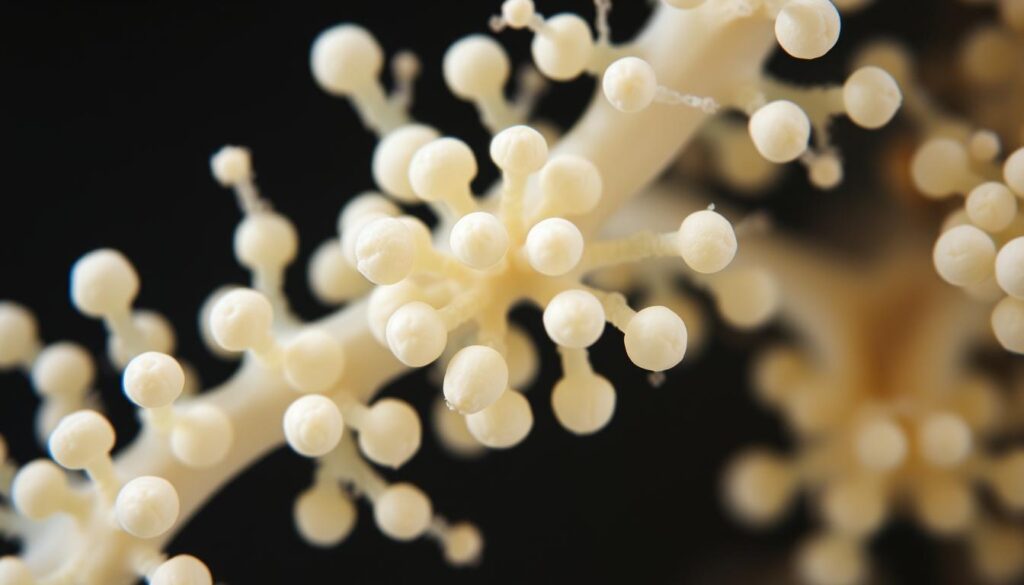
Fungal overgrowth happens when the body’s balance of microorganisms is upset. The most common yeast infection is vulvovaginal candidiasis, mainly affecting women. It occurs when yeast in the vagina grows too much.
What Exactly is a Yeast Infection?
A yeast infection is when fungus grows too much in the body. Candida albicans is the main fungus behind most infections. While it’s usually okay in small amounts, it can cause trouble if it grows too fast.
Common Types of Yeast Infections
Yeast infections can show up in different ways. The most common are vaginal yeast infections, oral thrush, and skin infections. Each type has its own symptoms and treatment. Knowing these helps in catching and treating them early.
Who is Most at Risk?
Some people are more likely to get yeast infections. Pregnant women, those with weak immune systems, diabetics, and people on certain medicines are at higher risk. Wearing tight clothes, poor hygiene, and eating too much sugar also increase the risk.
Common Signs and Symptoms to Watch For

Knowing the early signs of a yeast infection is key to getting treatment fast. Women often notice specific symptoms that show something’s off with their intimate health.
Itching is usually the most noticeable and uncomfortable symptom. This itching around the vaginal area can be mild or severe. It can make daily activities hard, getting worse when sitting or walking.
A burning feeling is another clear sign of a yeast infection. This pain can happen when you pee or have sex. It makes these everyday activities painful and upsetting.
Abnormal discharge is also a big clue. Unlike normal vaginal discharge, yeast infection discharge is thick, white, and looks like cottage cheese. It might not smell strongly but is easy to notice.
Other symptoms include redness, swelling, and skin irritation around the vagina. Some women might feel sore or raw, making everyday movements uncomfortable.
If you’re seeing many symptoms or feeling constant discomfort, see a healthcare professional. They can diagnose and treat the issue properly.
Imagine finally having peace, comfort, and control—no more worrying about flare-ups or hiding away.
Join in to see how this simple method can bring lasting relief today.
What Causes Yeast Infections?
Yeast infections happen when the body’s balance of microorganisms gets upset. Knowing what causes them can help prevent and manage them.
Environmental Factors
Warm, moist places are perfect for yeast to grow. Tight clothes that trap moisture and heat can also cause infections.
Medical Conditions
Some health issues raise the risk of yeast infections. Diabetes, for example, makes it easier for yeast to grow because of high blood sugar. People with weak immune systems often get yeast infections more often.
Lifestyle Contributors
Our choices can lead to yeast infections. Antibiotics can upset the body’s balance, making it easier for yeast to grow. Hormonal changes during menstruation, pregnancy, or menopause also make us more vulnerable.
Knowing these causes helps us make better health choices. It’s a step towards preventing yeast infections.
Diagnosing a Yeast Infection
Figuring out if you have a yeast infection needs a careful look. While it might be tempting to try to figure it out yourself, getting a doctor’s opinion is best. Doctors use a mix of checking you physically and running lab tests to make sure.
When you see a doctor, they will check the area that’s affected and talk about your symptoms. They look for signs like unusual discharge, redness, and swelling. This helps them make sure it’s not something else that looks similar.
Lab tests are key in confirming a yeast infection. They look at your vaginal secretions under a microscope to find the fungus. Sometimes, they might take a culture to find the best treatment.
Trying to diagnose yourself can be dangerous. Many things can cause similar symptoms, and getting it wrong can lead to the wrong treatment. If you keep getting symptoms, it’s important to see a doctor. They can give you a correct diagnosis and suggest the right treatment.
How you’re diagnosed can depend on your health. If you have other health issues or keep getting infections, you might need more tests. Your doctor will tell you the best way to figure out what’s going on with you.
Treatment Options and Medications
Treating yeast infections needs a focused plan to fight the fungal growth. Patients have many treatment choices based on how often and how severe their infections are.
Understanding the different treatments is key to managing yeast infections. Each method has its own benefits for easing symptoms and stopping fungal growth.
Over-the-Counter Solutions
For mild yeast infections, antifungal creams without a prescription can help. These creams, with ingredients like miconazole or clotrimazole, directly fight the fungus. They are easy to use and offer quick relief for many.
Prescription Medications
For more serious or ongoing infections, doctors might suggest oral medications. These treatments go deeper into the body to tackle fungal problems more thoroughly. Oral drugs like fluconazole are strong against yeast infections that don’t get better with creams.
Natural Remedies
Some people find relief with natural methods. Probiotics can help balance the body’s microorganisms, possibly preventing yeast infections. Eating less sugar and more probiotic foods can also help keep the vagina healthy.
Always talk to a healthcare expert to find the best treatment for you. It’s important to finish the treatment, even if you start feeling better right away.
Prevention Strategies and Lifestyle Changes
Preventing yeast infections starts with knowing your body and making good choices. Keeping your genital area clean is key to vaginal health. Use mild, unscented soap and avoid harsh products that can upset the natural balance of bacteria.
Choosing the right underwear is also important. Wear breathable cotton underwear to reduce moisture and promote air circulation. This makes it harder for yeast to grow. Stay away from tight, synthetic materials that trap heat and moisture.
Your diet affects your body’s fight against infections. Eat probiotic-rich foods like yogurt to keep bacteria levels healthy. Cut down on sugar, as it can help yeast grow too much. Drinking plenty of water and eating a variety of foods boosts your immune system.
Other prevention tips include changing wet clothes fast, not douching, and managing stress. Wear clothes that breathe during exercise and change into dry clothes after sweating. These simple steps can greatly lower your chance of getting yeast infections again.
Conclusion
Managing yeast infections needs awareness, care, and understanding. Women with recurring symptoms should see a doctor. Each person’s experience is different, so getting personalized advice is key.
Knowing the causes, spotting symptoms early, and preventing them are important. While some infections can be treated at home, others need doctor’s help. This might include prescription drugs or more.
Your vaginal health is vital for your overall well-being. Stay informed, keep clean, eat well, and listen to your body. If symptoms don’t go away, see a doctor.
Being proactive about your health helps you tackle problems early. With the right info and support, managing yeast infections is easier. It becomes a part of your health routine.