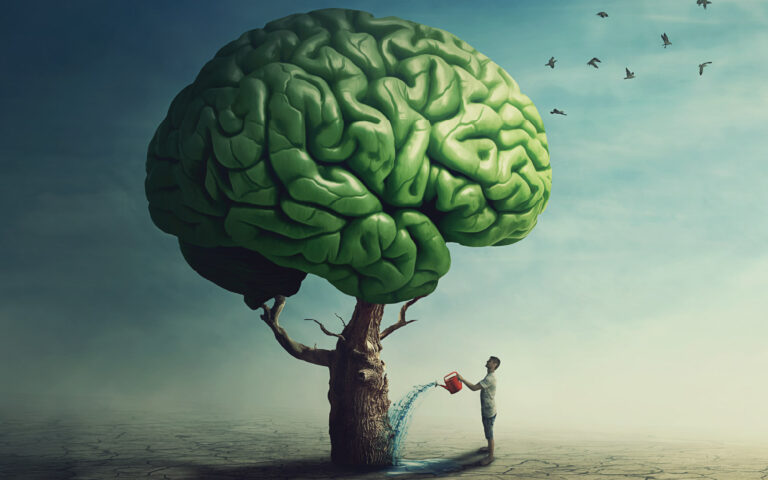


Do you often feel overwhelmed by worry that seems to control your life? Anxiety disorders affect millions of Americans. They turn everyday experiences into emotional battles that can greatly impact your mental health and emotional well-being.
Anxiety disorders are more than just temporary stress or nervousness. They are complex mental health challenges. They can affect personal relationships, work performance, and your overall quality of life. Recognizing the signs and understanding treatment options can be the first step toward reclaiming control.
This guide will explore the world of anxiety disorders. We’ll look at their symptoms, causes, and effective management strategies. We’ll show you that you’re not alone and that professional support can make a big difference in managing anxiety.
Key Takeaways
- Anxiety disorders are serious mental health conditions affecting millions
- Symptoms can manifest physically and emotionally
- Professional help is key for effective management
- Treatment options include therapy and medication
- Lifestyle changes can significantly improve anxiety symptoms
Tired of feeling on edge every time you wake up or face an unexpected stressor?
Start now to unlock peace of mind and calm your racing thoughts.
What is Anxiety Disorder: Definition and Types
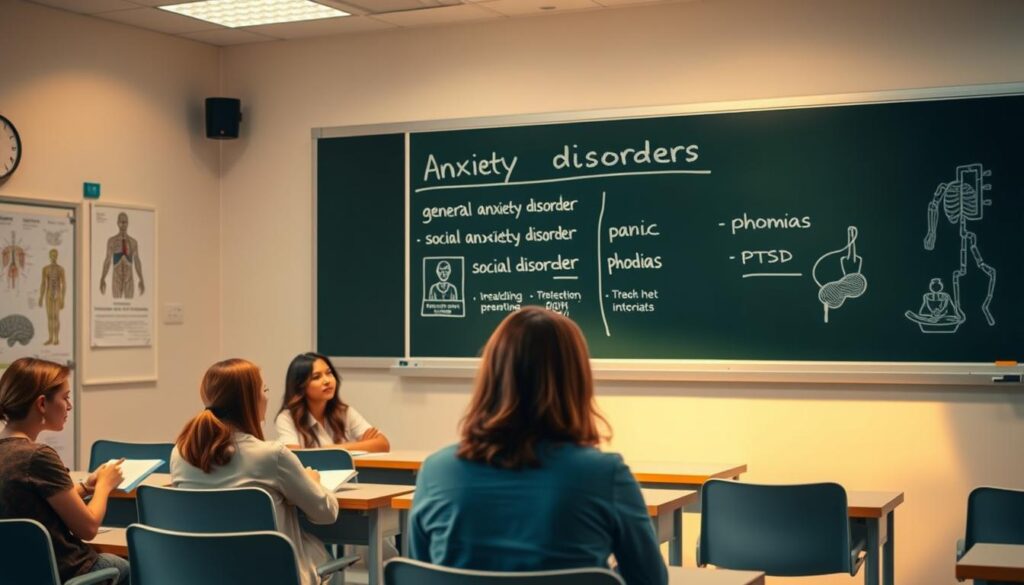
Anxiety is a normal feeling everyone has. But sometimes, it can get too much and mess up our daily lives. Knowing about the different types of anxiety disorders helps us see when worry turns into a serious mental health issue.
Experts say anxiety disorders are when you feel too much fear or worry that doesn’t match the situation. These feelings are more than just stress and can really hurt how well you live your life.
Common Anxiety Disorder Variations
The most common types of anxiety disorders are:
- Generalized Anxiety Disorder (GAD): You worry too much about many things in life
- Panic Disorder: You have sudden, scary episodes with physical signs
- Social Anxiety Disorder: You fear being judged in social situations
Normal Anxiety vs. Anxiety Disorders
Normal anxiety is a short-term reaction to stress that usually goes away fast. Anxiety disorders, on the other hand, last for months and really mess up your daily life. The main differences are how long it lasts, how intense it is, and how much it affects your life and work.
Understanding Anxiety Risk Factors
Several things can make you more likely to get an anxiety disorder, including:
- Genetics
- Bad experiences in life
- Long-term health problems
- Imbalances in brain chemicals
Knowing these risk factors can help you get help and treatment sooner.
Recognizing Physical Symptoms of Anxiety

Anxiety can show up in strong and unexpected ways. Many people feel intense physical reactions to it. These signs are the body’s way of responding to stress or danger.
Fast heartbeat is a common symptom, making it feel like your heart is racing. Sweating, often in the palms or underarms, is another sign. Some people might shake or tremble, usually in their hands or legs, when they’re stressed.
Feeling short of breath is common too. It can make you feel like you’re not getting enough air. Muscle tension is also a sign, causing pain in the neck, shoulders, and back. Some might feel dizzy or have stomach problems when they’re anxious.
These symptoms can vary in how strong and often they happen. Knowing they’re normal can help lessen stress. Recognizing how your mind and body react to anxiety is key to managing it better.
What if you could move through your day without constantly worrying, overthinking, or being held back by fear?
Explore a proven approach that helps you transform anxiety into confidence today.
Emotional and Behavioral Signs of Anxiety Disorder
Anxiety disorders are more than just feeling worried sometimes. They deeply affect a person’s feelings and actions. This can make daily life and personal relationships very hard.
Impact on Daily Life
For those with anxiety, everyday tasks become big challenges. Going to the store, traveling to work, or making choices can feel too much. It can also hurt how well they do at work because anxious thoughts keep them from focusing.
Social and Relationship Dynamics
Anxiety can make social interactions tough. People might worry about what others think or fear being rejected. This can lead to feeling alone, misunderstandings, and trouble keeping close bonds with loved ones.
Common Thought Patterns
Anxious thoughts often follow the same patterns. People might think the worst will happen in any situation. They may doubt themselves a lot, worry too much about the future, and keep thinking negative thoughts. These thoughts can really hurt how they feel.
It’s important to know these signs to understand anxiety disorders. Then, people can seek help and find ways to feel better.
Professional Diagnosis and Assessment Methods
Getting a professional anxiety diagnosis is key to understanding and managing mental health issues. Mental health assessments are detailed and go beyond just guessing. Experts use special tools to figure out the exact type and how severe anxiety disorders are.
The first step is usually a detailed talk with a mental health expert. They will ask about your medical history, symptoms, and life experiences. They use questionnaires and psychological tests to learn more about your feelings and actions.
During the diagnosis, doctors might also do physical checks to rule out other health problems. Blood tests, neurological checks, and other screenings help make sure everything is looked at. This makes sure no other health issues are missed.
Experts often use the DSM-5 to check anxiety symptoms. They look at how often, how strong, and how much anxiety affects your daily life. The aim is to understand your mental health in a way that fits you.
Remember, asking for help is brave. Mental health checks are private and don’t judge you. They’re meant to help you and find ways to manage anxiety.
Treatment Options and Medical Interventions
Anxiety treatment offers many ways to help people deal with mental health issues. It combines medical help, therapy, and plans tailored to each person’s needs.
Choosing the right anxiety medication is a big step. It’s best to talk to a mental health expert. SSRIs are often the first choice to help manage anxiety. They work by balancing brain chemicals, making emotions more stable.
Medication Strategies
There are a few main types of anxiety medication:
• SSRIs for long-term use
• Benzodiazepines for quick relief
• Buspirone for anxiety that lasts a long time
• Beta-blockers to control physical symptoms
Psychotherapy Approaches
Therapy is key for mental support. Cognitive-behavioral therapy is top for treating anxiety. It helps change negative thoughts. Exposure therapy helps people face their fears, building strength and confidence.
Alternative Treatment Methods
Other ways to fight anxiety include mindfulness, meditation, exercise, and stress-reducing activities. These methods can boost traditional treatments, giving a full support system for anxiety.
Self-Help Strategies and Lifestyle Changes
Coping with anxiety doesn’t have to be hard. There are many ways to manage anxiety that can change your life. Making lifestyle changes can help reduce stress and improve your mental health.
Physical activity is key in managing anxiety. Exercise releases endorphins, which boost your mood. Aim for at least 30 minutes of moderate exercise most days of the week. Pick activities you love, like walking, swimming, or yoga.
What you eat also affects your anxiety. Eating a balanced diet with whole grains, lean proteins, and veggies can help your mood. Cut down on caffeine and sugar, as they can make anxiety worse. Drinking plenty of water and eating at regular times helps your body handle stress better.
Getting enough sleep is also vital. Try to sleep at the same time every night and have a calming bedtime routine. Avoid screens before bed. Good sleep helps your nervous system and makes you more emotionally strong.
Having a strong support network is important too. Talk to friends, family, or join a support group. If anxiety really gets in the way of your life, don’t be afraid to get professional help. Remember, managing anxiety is all about taking care of yourself and getting better every day.
Conclusion
Understanding anxiety disorders is key to better mental health. Knowing about anxiety helps people spot symptoms and find help. Millions in the U.S. deal with anxiety, but with the right help, they can manage it.
Looking for help for anxiety shows bravery, not weakness. Getting professional help and using personal strategies can lessen anxiety. This can include therapy, medication, or lifestyle changes.
There are many resources for managing anxiety, like online groups and counseling. Mental health experts suggest making a treatment plan that fits your needs. Being informed and caring for yourself can help you overcome anxiety.
Recovery from anxiety is a journey, not just a goal. With dedication, support, and the right tools, you can live a fulfilling life. Learning, understanding, and self-care are powerful tools to manage anxiety.